In today's dynamic business environment, your organization's success is about your people's skills and agility. But with rapidly evolving technology and industries, you must make a vital decision: upskill or reskill. That decides how competitive your company will be, how employees are retained, and how well the organization will perform. Here, you can find the latest trends and best practices concerning people development and make your team agile to face whatever comes next in tomorrow's business landscape.
The Changing Landscape Of Corporate Training

Training has slowly transformed over the last few years due to the rapidly changing business environment. Companies are beginning to realize the need for a competitive workforce as technological changes and changing job roles become rampant.
Engaging in Digital Learning
Digital is quickly taking over the methodologies of corporate learning. All forms of knowledge, from e-learning modules to virtual classrooms to mobile learning applications, are on the rise simply because of their flexibility and accessibility. Digital learning supports customized learning to meet particular needs at a specific time.
Focus on Soft Skills
Though technical skills are still a priority, much emphasis is now on developing soft skills in the workplace. Communication, leadership, and adaptability have become pivotal for career advancement and organizational success. Thus, more and more training modules are being integrated into training programs.
Continuous Learning Culture
Organizations are shifting from 'single event' kinds of training to embedding a continuous learning culture. This cultural shift encourages employees to continuously upgrade their skills and knowledge to keep up with industry trends and technological changes. Hence, companies invest in learning management systems and provide access to resources to help self-learning.
Upskilling: Developing Existing Competencies
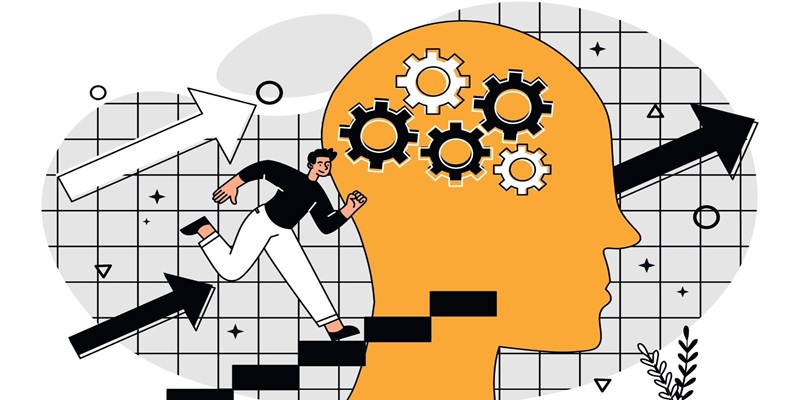
Upskilling is essential for any organization in today's fast-changing business environment. It helps build better and higher qualifications in one's prevailing knowledge and skills, thus enabling an employee to do their job more proficiently and take on additional responsibilities.
Benefits of Upskilling
Upskilling has numerous benefits for employees and employers. Employees benefit from job security and career growth, whereas for a company, it closes the gap in skills, boosts productivity, and reduces the need to seek workers from elsewhere.
Implementing Upskilling Programs
Organizations can make successful upskilling initiatives by following these steps:
Skill gap analysis within the firm
Design-focused training programs
Use different learning methods, such as online courses, workshops, and mentoring.
Continuous learning with relevant materials and self-directed development
Measuring Success
Success-tracking of upskilling is essential. Companies can compare several success metrics: improved worker performance, productivity, and retention. Continuous reassessment and feedback loops will help fine-tune upskilling programs and align them with the organization's goals.
Reskilling: Acquiring New Competencies
Reskilling involves providing employees with entirely new skills to perform different work roles. The fast evolution of industries forces companies to redevelop workforces that can fulfil the demands imposed by the emergence of new technologies. More than enhancing ability, reskilling changes the employee portfolio to fit emerging business needs.
The Reskilling Imperative
Reskilling has become necessary in the modern, fast-moving business environment to retain employees and ensure organizational agility. Companies investing in reskilling programs ensure their workforce's growth is taken care of in the long run and handle skill gaps. This will help bring job satisfaction, productivity, and versatility to the workforce.
Implementing Effective Reskilling Programs
To reskill employees, organizations must:
Recognize the future skill requirements based on both industry trends and company objectives.
Understand the ability and potential of the currently available employees.
Design comprehensive training programs complete with theoretical knowledge concerning practical usage.
Offer ongoing support and resources that foster continuous learning.
Benefits of Reskilling
Reskilling pays off for employers and employees in many ways: it reduces hiring costs while retaining invaluable institutional knowledge, provides job security for workers, develops career opportunities, and enables self-development. Thus, creating a lifelong learning culture via reskilling has become a significant concern for the rapidly growing corporate sector.
Key Ways Of Effective Corporate Training
Designing Programs for Organizational Needs
Optimum results for corporate training programs are realized when corporate training aligns with the organization's aims and challenges. Begin a needs analysis to identify skill gaps or developing areas within a corporation. Several layers within an organization should be involved in such a process, from management and human resources to the workforce. Plan programs based upon those needs to wisely use resources so that all intents and purposes of the corporate training are met.
Leveraging Technology-Enabled Learning
Technology can substantially enhance corporate training in today's digital world. Blended learning, a mix of face-to-face sessions, online modules, virtual reality simulation, and mobile learning applications, will accommodate different learning styles and allow employees to access the training material at their convenience.
Fostering a Culture of Continuous Improvement
Good corporate training goes beyond plain workshops or courses. Long-term growth and change in the landscape require developing a continuous learning environment within an organization. Knowledge exchange between members encourages team play via mentorship programs, cross-functional groups, and "lunch and learn" programs held more often. Resources for self-directed learning need to be provided by providing access to online courses or through budgets for professional development.
Adapting To Both Upskilling And Reskilling
Consider upskilling and reskilling not as competing but mutually reinforcing approaches as you lead through the changing landscape in corporate training. In welcoming both, you develop a workforce to meet new challenges in a constantly changing world: agile, innovative, and with the competencies to face the future. Create growth among your people, instil a lifelong learning culture, and work such initiatives into long-term organizational strategy. Whether your point of concentration is on enhancing present skills or creating a whole new set, it's this capability to do it in a flexible and timely manner that counts.